JavaScript seems to be disabled in your browser. For the best experience on our site, be sure to turn on Javascript in your browser.
Free Shipping
for USA orders $50+
* 2026 SAVINGS *save 20% ontea sets + tasting kits
Ends 11/27 >>
* BLACK FRIDAY **EARLY SAVINGS*save 20% ontea sets + tasting kits
* SHOP BLACK FRIDAY *20% off+ $25 Tea Cash
TODAY ONLY >>
*SHOP SMALL* OOLONG SATURDAY20% off + Tea Cash Gifts
*SHOP SMALL*20% off + Tea Cash Gifts
Holiday Gift Guide >>
*CYBER MONDAY*is Pu'er Monday!
SAVE NOW >>
*YEAR of the SNAKE*save with 15% off tea + teaware + Tea Cash Gifts
*ICED TEA SALE*keep cool with 15% off our top picks
*SUMMER SALE*save with 10% off all tea + teaware + Tea Cash Gifts
ENDS SOON >>
*ROCKTOBER SALE*save with 15% off every Wuyi tea+ Tea Gifts
Thru 10/31 >>
Explore unique tea cultivars with double savings + code NY26TEA2 >>
❤ The 2025 Gift Guide is Here! Save 20% on ALL Top Picks | Fast Free Shipping
🎊 Save on gifts with 20% off ALL Tea Samplers and Tea Sets 🌱 >>
🎁 Shop Black Friday SALES + All New Arrivals | Double Savings with $25 Tea Cash on Orders $100+
🎁 Black Friday Weekend SALES + Fresh Tieguanyin is HERE | Double Savings with $25 Tea Cash on orders $100+
🎁 Shop Small Farmer Sunday SALES | Double Savings with $25 Tea Cash on orders $100+
🎁 Cyber Monday is Pu'er Monday! Save 25% on ALL Pu'er | Earn $25 Tea Cash on orders $100+ today only >>
🎁 Cyber Monday is Pu'er Monday! Save 25% on ALL Pu'er | Earn $25 Tea Cash on orders $100+ FINAL HOURS >>
🎊 Just arrived - all new Autumn Laoshan Teas! 🌱 >>
Keep Cool with Iced Tea! 🧊 Save 15% on all of our Top Picks >>
🤘 Rocktober savings EXTENDED for Halloween weekend! Save 15% on Wuyi teas + more >>
🌕 Celebrate Mid-Autumn Festival with 12% off full cakes + pressings >>
Save 11% through Thursday 11/13 on fresh Laoshan Autumn Harvests 🌱 >>
Celebrate the new Year of the Snake with everything on sale up to 15% off >>
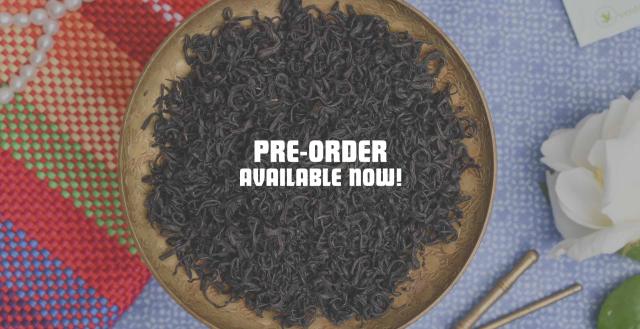
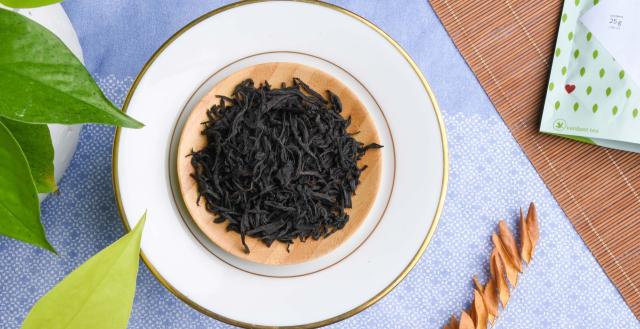
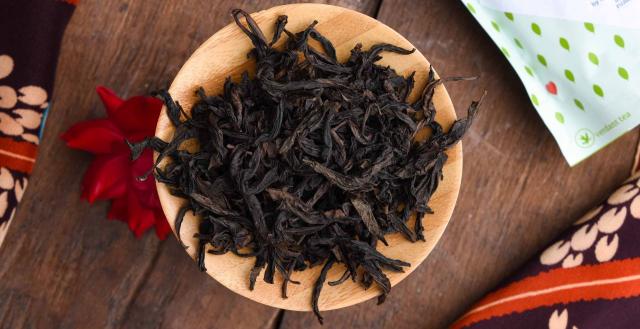
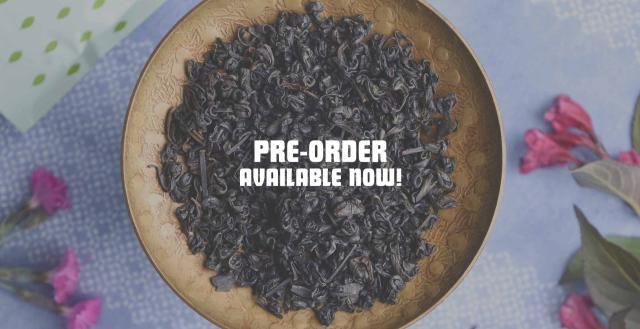
The He Family’s Most Popular Tea. This cool autumn season harvest black tea is packed with flavor and aromatics, fully oxidized and roasted to achieve the iconic malty, chocolatey, honeyed Laoshan Black flavor.
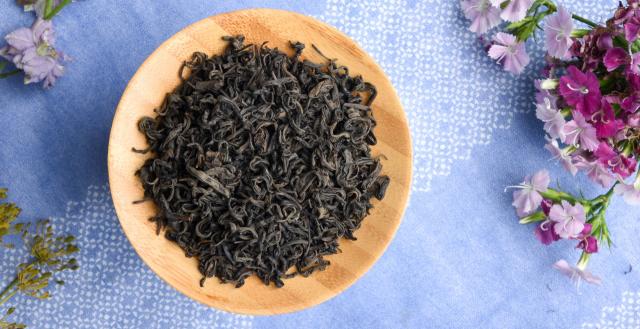
This tea highlights Mr. He’s delicate and meticulous hand rolling and straightening technique developed in producing Pine Needle Green, but introducing traditional sun-oxidation to make a rich and deeply complex black tea. The result is Lashan’s most mineral-forward and complex black tea to date. This tea is fed by mountain spring water, picked by hand, and cultivated sustainably using traditional chemical-free farming techniques including growing rows of soybean between rows of tea to restore nitrates to the soil. The finished tea picks up the rocky minerality of the soil, and careful low temperature roasting brings out deep brown sugar sweetness.
The iconic chocolatey and malty Laoshan Black Tea. This hearty rich and malty northern cool-climate tea is hand-picked, fully oxidized, rolled and fired in a family workshop. The He Family brings out notes of chocolate brownie, cinnamon, cherry and honey.
It takes thousands of buds to make an ounce of this tea, hand-picked near Li Xiangxi’s old family home in Tongmu, in a protected ravine with wild bamboo, orange trees and native flowers growing around old growth wild tea bushes. Once a year in the early spring, Li Xiangxi and her family pick the tiny golden buds off the cultivated tea bushes growing below her family home. The beautiful golden color and flavor of this carefully cultivated Jin Jun Mei (Golden Eyebrows) makes it one of the most prized teas in China.
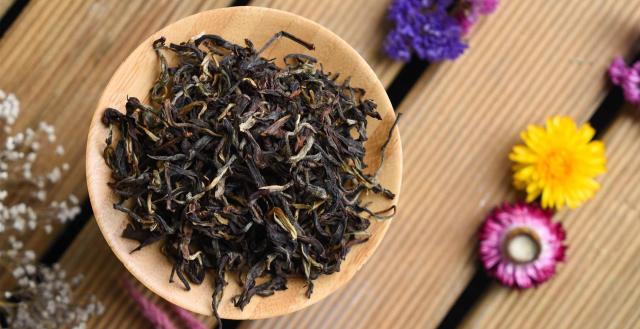
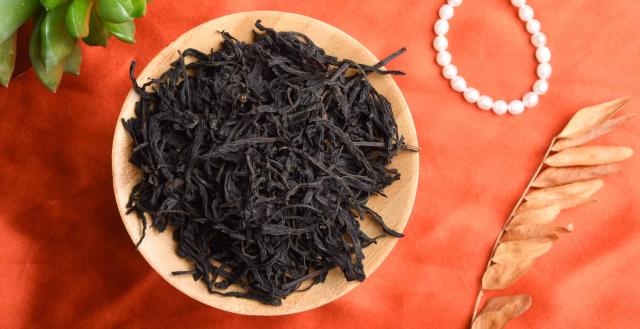
Xingcun Xiaozhong varietal tea in Wuyishan can produce black and gold buds. While the golden bud expression has been encouraged through cultivation for its stunning color, Li Xiangxi and her family often prefer the depth and complexity of black buds. This tea still uses the same tiny buds and the same meticulous hand-picking as their golden buds Jin Jun Mei, but with a more spiced and savory flavor profile. This year's harvest is deep, dark and beautiful, punctuated with strands of golden buds between the black- a unique bud appearance reflective of the weather, with a unique complex flavor and aroma.
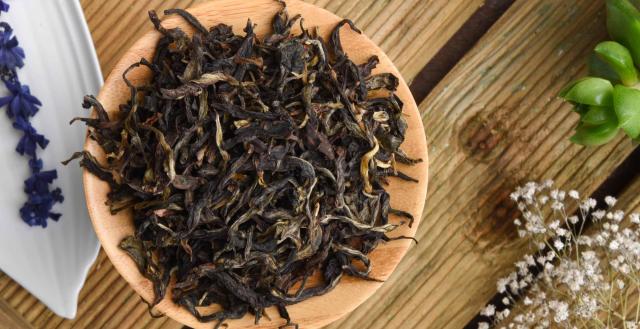
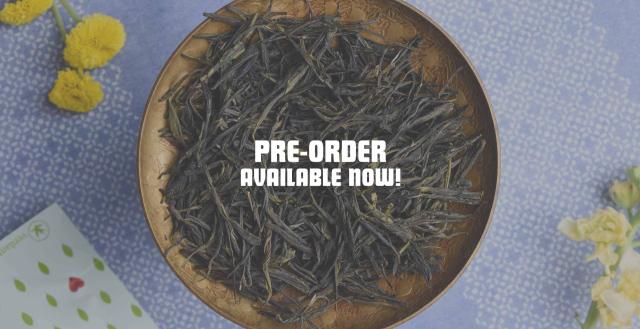
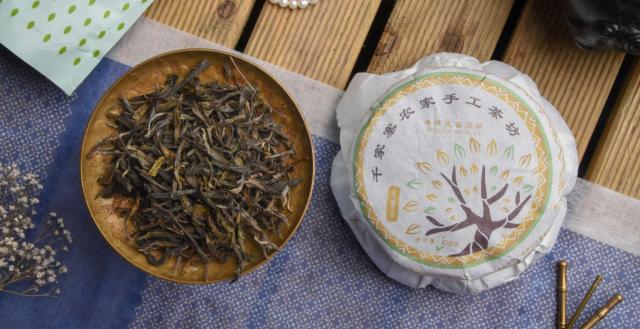
Available this year in both loose leaf (25g packs) and 100g pressed tea cakes. This tea is wild-foraged by the Li Family of the Dongsa Cooperative within the Mt Ailao National Forest Preserve. The silvery buds and twisting golden leaves are picked from ancient tea trees between one hundred and eight hundred years old scattered between other evergreens, and wildflowers on the rocky mountainside. This labor-intensive tea to harvest is actually allowed to sun-roast and oxidize without applying heat in a wok. Because more moisture is retained in the leaf, this black tea is a fantastic candidate for aging like traditional sheng pu’er. Only a high-elevation remote place like Qianjiazhai can count on enough sunlight in the spring for this old but rare finishing technique. The result is a tea with the sweet malt of a black tea but the staggering complexity and herbaceous undertones of a sheng pu’er. A true standout!
This is a special cellar release from our private collection! The Dongsa Cooperative does not hold back their teas to age, so we wanted to share how stunning five years of depth and complexity can be with this limited offering. The Dongsa cooperative wild-forages the leaves for their hand-fired black tea from trees well over one hundred years old, growing on the cool high elevation slopes of the Ailao National Forest Preserve. The biodiversity and well established root stock makes for deeply nuanced and complex tea, normally reserve for pressing and aging as sheng pu’er. This experimental offering is a new project by the cooperative to hand fire over low heat in a wok for a more classic Dian Hong style. The application of heat makes this more closely related to other Yunnan Black, and indeed it shares a rich sweet potato thickness similar to our Yunnan Golden Fleece, but with Qianjiazhai’s signature tulsi complexity and touches of citrus, and florals.
This spring harvest Yunnan black tea gets its name to honor the soft, rich textural experience of tasting this beautiful small harvest tea. Golden Fleece is hand picked from wild growth (unmanaged) Yunnan Da Bai tea bushes over forty years old. The biodiversity of the growing region and deeper roots mean a more complex flavor and aroma. Only the most perfect large tender buds are hand-harvested, and carefully hand-finished. The down from the buds infuses into every cup, yielding a uniquely thick mouthfeel. This year's harvest is full and complex with cooling cedar, and spiced nutmeg and cinnamon undertones to bolster the luxurious creamy base.
This unique buddy black tea offering from Wang Yanxin is only possible because of her deep connections in both Henan and Laoshan. Her farmer friends produce extremely tiny bud Xinyang Maojian, a fine downy showstopper of a green tea. The second picking of the year is still all delicate downy buds, but tradition dictates only the first harvest is used for Henan's iconic buddy green tea. Wang Yanxin works to rush-ship fresh tea leaves the day they are picked from Henan all the way up to Laoshan Village, where they are allowed to traditionally oxidize in the sun to make a black tea, and then finished using Laoshan's extremely honed-in roasting and finishing techniques to combine the buddy steamed bun texture of Jin Jun Mei with the chocolatey goodness of Laoshan Black. This cross-province collaboration continues to prove that the world of tea is still full of innovators, pushing the boundaries of tradition.
Huang Ruiguang's family Mi Lan Dancong is picked only once a year from single trees that are not pruned back to encourage deeper roots & more robust flavor, year after year. His mountain plot and decades of work in improving agriculture techniques for the region have earned Huang Ruiguang's Mi Lan awards such as the recent 2015 Gold Medal at the Sixth Guangdong Tea Expo. This Mi Lan is allowed to naturally oxidize for over 24 hours before being carefully spread, baked and tumbled. The oxidation creates a deep rich black tea flavor, but Mi Lan varietal’s natural juicy floral honey flavor still comes through strong.
For the fifth year in a row, Li Xiaoping is sharing her new Dragonwell Black Tea! She uses the same delicate early buds as her famous green tea, hand-picked from the slopes of Shi Feng, raised on sweet mountain spring water and covered in high elevation mist to protect against sunlight. After light twisting and rolling, this sweet, rich and distinctly mineral-laden tea is then set out in bamboo baskets and loosely covered for ten to fifteen hours and allowed to oxidize in the afternoon heat. This oxidation process brings out savory malty flavors in Li Xiaoping’s Dragonwell that show the unique texture of the region in a completely different light.
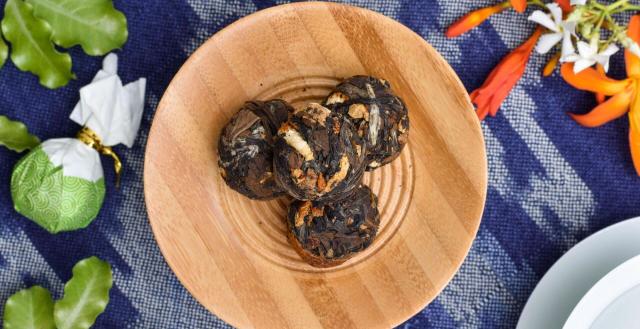
Xingyang has been experimenting with blending flowers and fruits with their teas for about ten years. These dragon pearls are an unbelievable expression of craft, finely balanced, and stunning to watch unfold. Each chrysanthemum blossom was blended in fully intact so that its petals open up to reveal black tea, giving the pearls many steepings that start out floral and become deeper and richer with each infusion. Notes of custard cream, cinnamon, chrysanthemum, bergamot and passionfruit with a crisp and elegant texture.
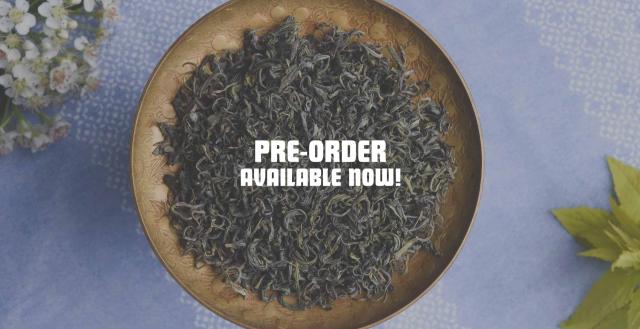
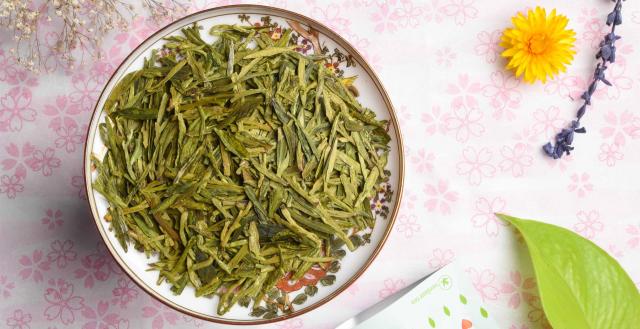
The green tea loose leaf classic from Laoshan, hand-picked in the He Family’s organic mist-shaded fields and packed with creamy green bean flavor. This harvest is picked in the cool autumn air after resting the plant through summer. The result is crisp, fresh flavor with more savory green bean and cream that Laoshan for which Laoshan is famous. The He family's signature green tea is fed by mountain spring water, picked by hand, and cultivated sustainably using traditional chemical-free farming techniques including growing rows of soybean between rows of tea to restore nitrates to the soil. The extreme northern climate means cold winters and short growing seasons, but the He Family perseveres, protecting their tea in greenhouses over the winter. The result is a deeply sweet and delicate green tea unlike any other in the world.
This is the He Family’s iconic loose leaf green tea: organic farming, curled leaves that dance in the cup, all carefully hand-finished for rich creamy flavor. Delicate hand-picked buds and leaves are withered in bamboo baskets, and carefully hand curled and rolled under low heat to form beautiful long twists that unfold gracefully in a glass teapot or tumbler. The fresh and delicate leaf material is the first new growth of the cool autumn season as the weather starts turning and the mornings and nights are misty again.
A mild winter and mellow spring has made for a beautiful early harvest of shade-grown Reserve Laoshan Green. These sweet and delicates buds and leaves are picked while still under greenhouse protection in the He Family’s ocean-facing plot at the foot of the Laoshan mountains. The late March picking is intensely sweet and coming soon!
This famous tea is grown using beyond organic green tea cultivation techniques for rich sweet flavor, incredible texture and notes of bamboo and jasmine. Situated on a perfectly-shaded mountainside, Li Xiaoping’s Dragonwell benefits from Shi Feng’s unique climate, rocky quartz soil and sweet mountain springs. Her craft captures a rare example of true Dragonwell- deep minerality, persistent sweetness and complex aromatics.
This early spring tea is all about a fine and subtle sweetness, and a long, drawn out aftertaste and crisp texture. Cool spring weather produces a small harvest of truly sweet tea. This is Mrs. Li’s first picking of the season, carefully hand-finished by her husband, Shui Huamin. Her true original cultivar Dragonwell (Longjing Qunti) grows on the mountain slopes of Shi Feng and draws in sweet mountain spring water.
Qilan varieties is almost legendary for its deep luscious orchid notes and its subtle incense spice. The Li Family cultivates established 40+ year Qilan bushes on their rocky volcanic mountainside plot in the Wuyishan Ecological Preserve, letting the tea build complexity through biodiverse plantings, and carefully preserved natural forest cover. They hand-pick their Qilan and expertly bring out the florals through hand-crafting over a meticulous 12 hour turning and fluffing process called yaoqing. The careful and restrained roast on this Qilan really allows the florals to shine through, bolstered by the rocky minerality that the Li Family’s teas are famous for.
This Huang Zhi Xiang Dancong is picked from the Huang Family's favorite high-elevation plot in Wudongshan from older tree stock and meticulously hand finished by Master Huang's sons over 24 hours to bring out the deep, almost electrifying aromatics. Huang Zhi Xiang is an incredibly rich spiced varietal with natural cooling notes that come through with striking intensity with the perfect microclimate, careful hand-picking, and 24+ hour continuous hand processing and finishing. Only a few kilos are harvested every year, and we are excited for the privilege to share. Master Huang's work in Dancong tasting and agriculture won him countless awards and recognition, a biography in a 2015 published book on the history of Dancong, and leadership in every convention and tasting event in Guangdong.
The He Family has a deep knowledge of every flower and herb growing in Laoshan. Every year, they wild-forage herbs for medicine and cooking, but this year, they revived their experimental oolong scenting prokect. Wild osmanthus blossoms are blended with their hand-processed roasted oolong. Because the osmanthus blossoms are so small and so inaccessible for picking, this is an incredibly labor intensive tea to forage and finish. They picked and finished this tea for Tea Club members this November, with just a small amount left, for us to share now with everyone. The osmanthus blossoms are mixed with Laoshan roasted oolong - a subtle and delicate tribute to the craft of the region and the innovation of the He Family.
Crisp, fruity, floral, nuanced - the new 2021 harvest is here! This year's Zun harvest is offered both loose leaf (5g, 25g) and in two pressings: 100g cakes and 250g Xiao Jin Gua. Zun, a designation chosen by the cooperative, means ‘reverence’ of the ancient Qianjiazhai tea trees themselves, an awareness of the human collaboration with a living tree that has existed for generations before us and hopefully will continue to exist for generations after us. The Zun series cakes use the first early spring growth from only the old-growth (500-1000 year) wild trees above the Li Family’s home high in the mountains, and accessible only on foot. The wild nature of this tea’s provenance come through as a flavor texture and aroma experience that is both reverent of its source, and worthy of reverence for its commanding beauty, full of honey and dried apricot with a hint of wild mountain tulsi, and intense textural depth.
Qianjiazhai Gong Ting Shu Pu'er is still a very new practice, made only by one of Master Zhou's students in the cooperative. Using the giant buds of Qianjiazhai's wild trees between 100 and three hundred years of age, this tea is carefully and slowly pile fermented to bring out a deep rich sweetness unlike any other shu pu'er out there. Master Zhou was so excited by this experiment he is sharing the technique across the cooperative and encourage more members to keep developing the craft.
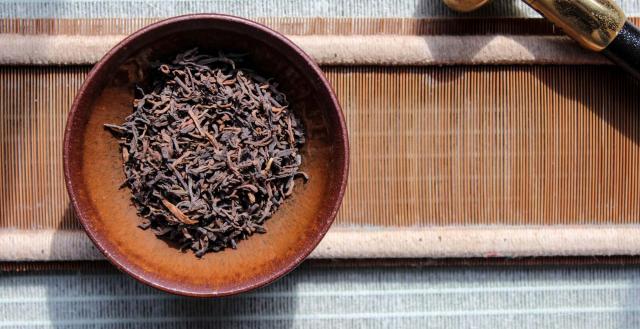
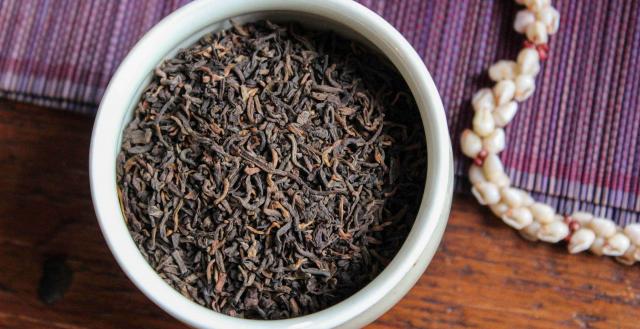
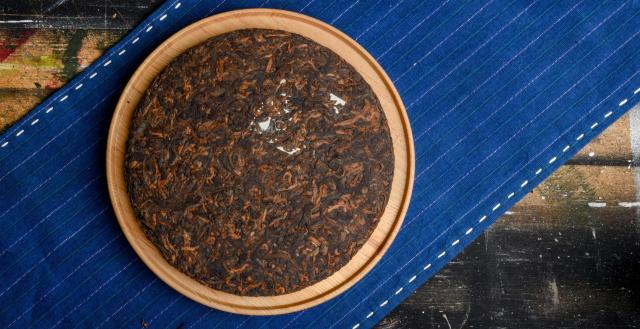
Master Zhou works with his students in the Qianjiazhai Dongsa Cooperative to start introducing shu pu’er fermentation and crafting techniques more widely across the mountain. This stunningly clean, rich and foresty example is crafted from pre-Qingming harvest maocha picked from one hundred to five hundred year trees. Master Zhou set aside a cache of this precious pu'er over a decade ago and agreed to release a small amount to show off the incredible complexity and depth that over ten years of aging brings to pu'er made from leaf and bud material picked in the oldest tea forest in the world.
This tea is Xingyang's crowning achievement. It is made with big leaf picked from ancient wild trees. The loose leaf is stored and slowly fermented in low moisture over one year and finished in 2003 for another eleven years of dry fermentation before being packed in 2014. The result is the sweetest, cleanest and deepest shu pu'er we have tried. This tea can be steeped over twenty times and yields a beautiful clear brew with a deep forest flavor and lingering aftertaste.
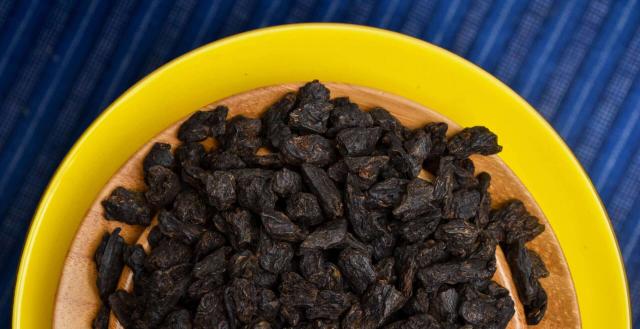
Rose petals have become a highly traditional pairing with shu pu’er, and Longyuanhao workshop’s pressing is a wonderful example of how these two flavors can work together in harmony. The florals of rose are already deep and textural. When they combine with a clean high quality shu pu’er, over time they bring out vaporous spice and texture in the tea. Longyuanhao's slow clean fermentation means this tea is not weighed down, but rather unfolds delightfully on the pallet, bolstered by nearly two decades of aging.
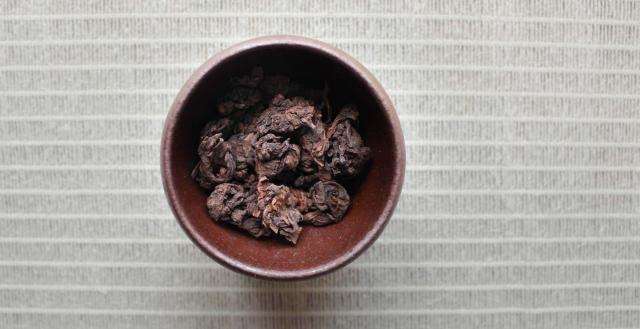
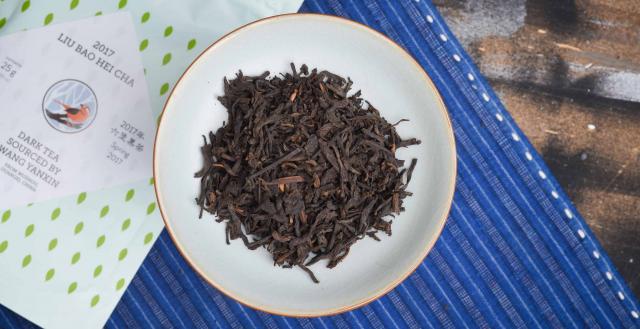
Liu Bao Hei Cha is a unique relative to pu’er from Guangxi that gets a deep oxidation before classic fermentation technique is applied. The slow oxidation and clean relatively-dry shu pu’er style fermentation yields a deliciously rich, clean and smooth tea with sticky rice aromatics, and cooling woody foresty aftertaste.
This is the Wu Family's masterpiece offering, the pride of Wuyang Village. The oldest most established wild plants, growing among rich biodiversity on a mountainside fully devoted to organic practices are carefully selected and the first budding of the year is hand-picked and meticulously finished to lock in the sweet complexity of the terroir, the early harvest nutrients, and the natural quality of the established deep-rooted bushes.
The Wu Family's oldest prized tea bushes growing among wild trees, flowers and bamboo are picked once in the extreme early spring for a bud-only harvest, and then allowed to build up nutrients until they are picked a second time when delicate leaves begin to unfurl. This second harvest of buds and leaves is what makes their fine Bai Mudan- full of the complexity that later season sunlight brings but the sweetness and texture of the early cold-weather buds.
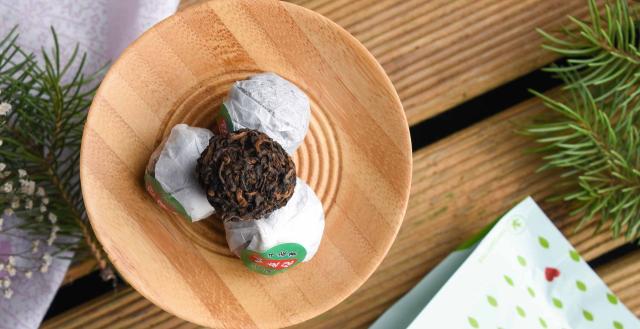
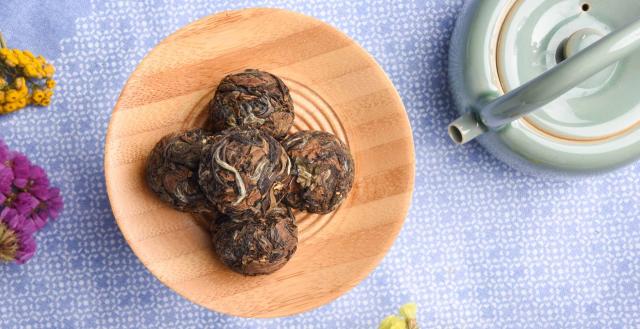
Bai Mudan, or White Peony tea from the Wu Family represents their most balanced expression of the wild mountain terroir, with both flavorful leaves and tender downy buds for a tea that shows off whiet tea’s iconic sweet smooth texture and a deep wild forest quality. The Wu Family finishes these leaves under a special shaded air circulation process developed by Mr. Wu to lock in the freshest most aromatic flavors possible. This year they pressed a Dragon Pearl individual steeping size Bai Mudan to protect the leaves even better in transit.
Bai Mudan, or White Peony tea from the Wu Family represents their most balanced expression of the wild mountain terroir, with both flavorful leaves and tender downy buds for a tea that shows off whiet tea’s iconic sweet smooth texture and a deep wild forest quality. The Wu Family finishes these leaves under a special shaded air circulation process developed by Mr. Wu.
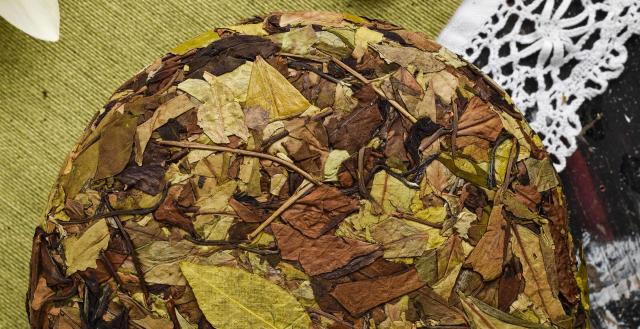
The Wu Family’s Shou Mei is deep, rich and bold - a flavorful expression of white tea, picked from later season larger leaves that are packed with the complexity that a wild, biodiverse landscape brings to the Wu Family’s old-growth Da Bai varietal bushes. The Shou Mei grows even deeper, sweeter and darker with age like pu’er, and this year, the Wu Family pressed their Shou Mei in individual single session dragon pearls to protect them for transit and long term aging.
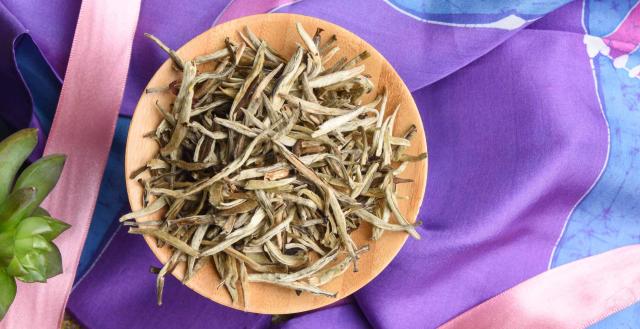
This spring harvest pre-Qing Ming white tea is traditionally scented and made with Da Bai varietal white tea. This white tea is not sprayed with artificial oils or aromas. Instead, it is dried together with fresh jasmine blossoms scattered among the buds, allowing the natural aroma of the jasmine to absorb over several days into the tea itself. The process of adding fresh wild Yunnan jasmine blossoms is repeated six times over six days to get a full rich and creamy infusion that holds its intense sweetness and natural potency over many steepings. The creamy dessert-like Yunnan silver needle white tea is the perfect delicate pairing with Lincang's local luscious jasmine.
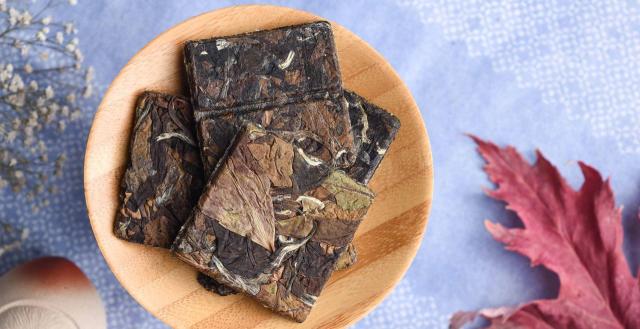
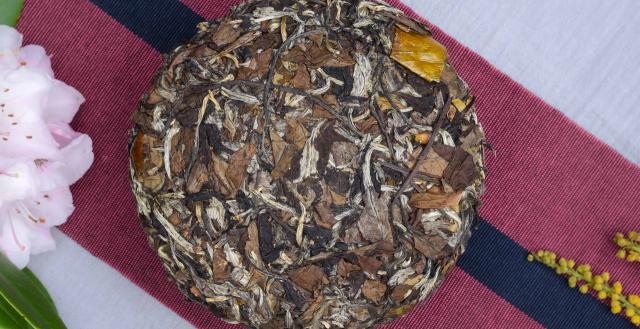
The Li Family is excited to offer 100g cakes of this special aged tea! In an historic first, Li Xiangxi and her family have begun to cultivate Da Bai varietal in the cool, rocky, and singular terroir of their old growth fields in the Wuyishan Ecological Preserve. Using traditional sun-drying and airing techniques, the Li's have crafted finished white tea and pressed it into beautiful 90g cakes for aging. At a glance, it looks like a classic Shou Mei, but a tasting reveals how much the Wuyi terroir impacts the flavor of Da Bai. This tea is packed with deep minerality, balanced complex texture, and cooling foresty notes that you would not find in classic Fuding white tea. The biodiversity, soil, and water of one of the most famous tea microclimates in the world makes this a fantastic new way to experience what white tea has to offer.
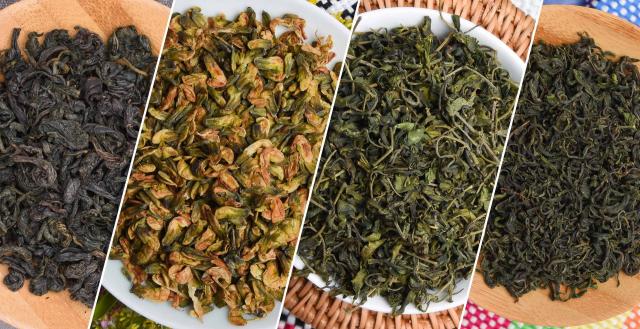
This bundle includes twelve caffeine-free wild-foraged herbal teas for 300g total (roughly 60 brewing sessions). The He Family and the Lu Family in Laoshan are bringing green tea craft to wild-foraged caffeine-free herbals picked within the Laoshan Ecological Preserve in extremely limited quantities. This kit is an introduction to the way that tea craft brings nuance, depth and complexity to plants beyond camellia sinensis, and offers satisfying diverse and fully caffeine-free flavors perfect for any time of day. The He Family and the Li Family are dedicated to sustainable agriculture, and meticulous hand-finishing craft in the workshop. This kit is an invitation to see their craft in action.
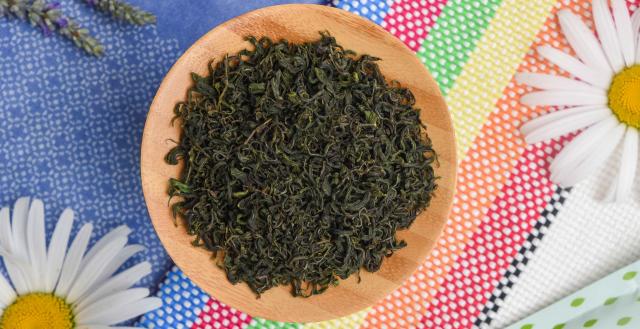
Suan Zao Ye (Wild Spiny Zizyphus) is a naturally caffeine-free herbal tea that grows unmanaged and wild on the slopes of Laoshan. While the seeds of the sour dates have been used for centuries in Traditional Chinese Medicine (Suan Zao Ren), the He family forages a limited quantity in April and early May, before the tender spring buds grow too large or the spiny thorns too firm. This year, the leaves were then hand-processed just like a traditional Laoshan green tea, with withering, firing and curling. The final result is packed with delicious flavor and complexity.
A member of the Solanaceae family, the caffeine-free Goji berry plant (Lycium barbarum) grows wild across Northern China - including on the slopes of Laoshan in Shandong. Though the plant is most famous for its berries, its dried leaves have been a part of traditional medicine in China for centuries. Early this spring, the He Family foraged young and tender spring goji leaves and carefully finished them with green tea processing and an open leaf style. We are so excited for the opportunity to share this another experimental tea from the He Family!
The He Family is continuing their tradition again this year of wild-foraging caffeine-free native Laoshan herbs and using their expertise at green tea processing to finish the leaves like a traditional green tea. While Shandong native Lu mulberry leaf would normally be simply air-dried for use in medicinal tea, the He Family has applied withering, heat-fixing, curling and tumble-drying to bring out much richer and more subtle flavor through their craft. We are excited to share the He Family's herbal teas once again this spring season, and to offer a look at the flavor of Laoshan from another plant entirely different from camellia sinensis!
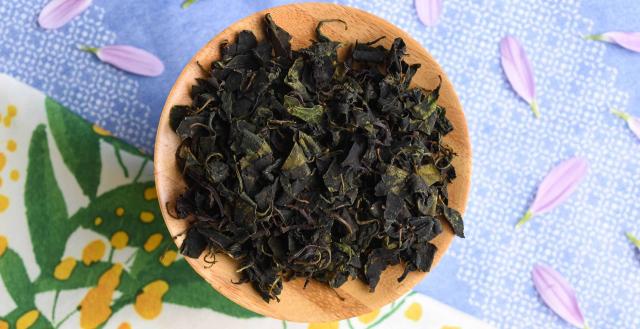
The sweet potato is the most iconic fixture of Shandong province, and grows in every family garden in Laoshan village and up the mountainside. For decades, villagers have harvested semi-wild sweet potato from within the Laoshan National Park between rocky outcroppings and gnarled trees. As Laoshan tea becomes more famous and brings a better standard of living to the region, sweet potato has become a less critical crop, but this tea honors the tradition by applying tea finishing technique to foraged sweet potato leaf. This year's Sweet Potato Leaf tea is a collaboration between the whole neighborhood (the He Family District) and the He Famiy's workshop. Working together, several families picked Laoshan sweet potato leaves, then used the He Family's guidance and technique to oxidize the leaves in the sun, wither and roast, similar to black tea processing. This year, the cooperative had to roast the sweet potato leaf five times just to stop oxidation, making this a notably slow and time consuming tea to produce. Only several kilos were made this year, and we are lucky to offer the majority of the harvest while it lasts.
Gan Zao Ye (Wild Jujube) is a naturally caffeine-free herbal tea that grows unmanaged and wild on the slopes of Laoshan. The He family forages a limited quantity each spring and hand-processes it just like a traditional green tea with withering, firing and curling. The final result is packed with just as much flavor complexity (and antioxidants) as a traditional tea with a striking barley and walnut flavor.